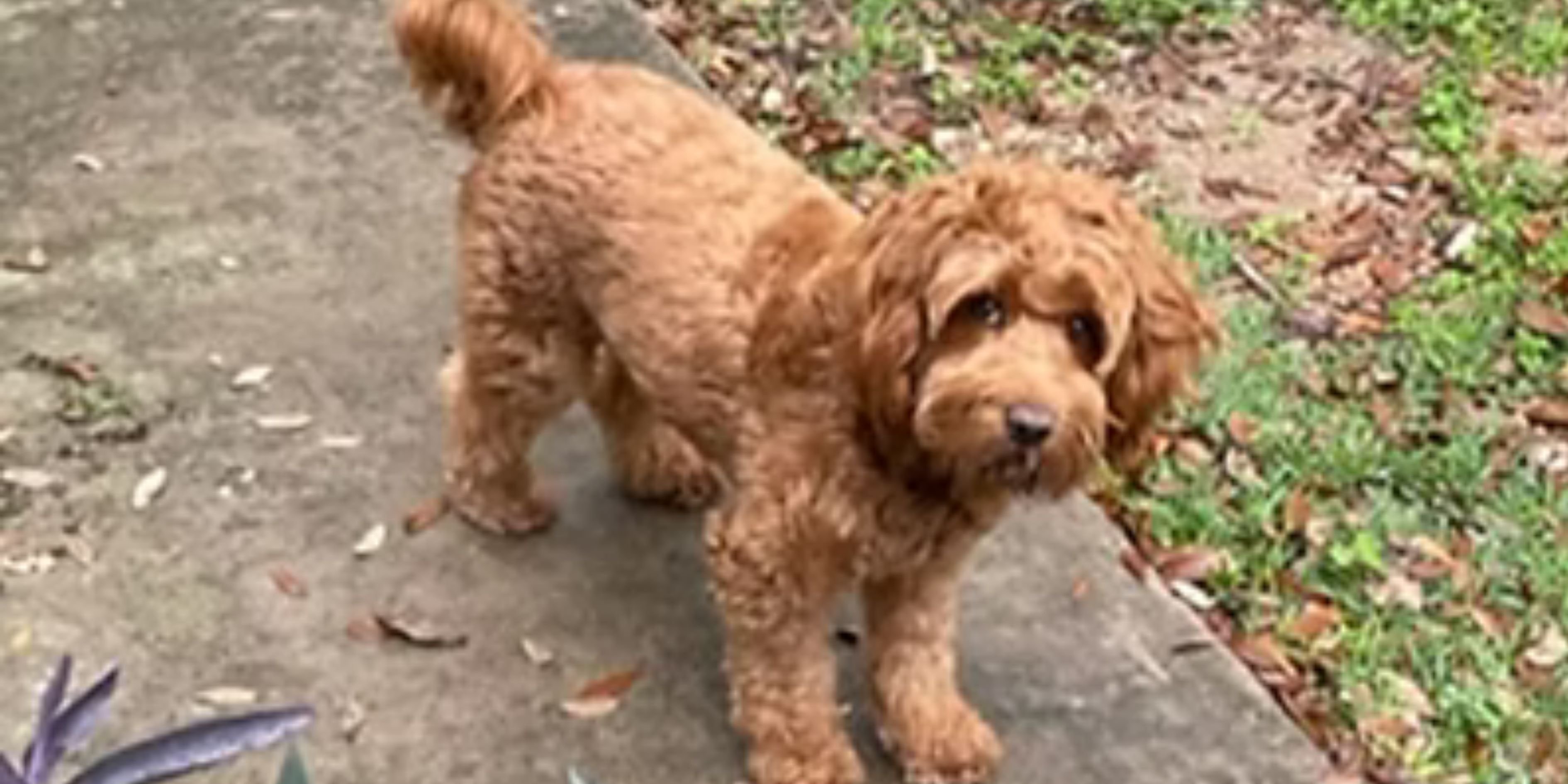
What Training Mistakes to Avoid with Australian Labradoodle Puppies?

Training a puppy is fun, but it can also be tricky. If you have Australian Labradoodle Puppies, it is important to know what mistakes to avoid. This guide will help you understand the most common training errors and how to fix them easily.
If you are raising an Australian Labradoodle in Austin TX, or anywhere else, the same rules apply. Puppies need clear instructions, love, and patience. When you avoid simple mistakes, your puppy can grow into a happy and well-behaved dog.
Table of Contents
- Why Training Early is Important
- Common Training Mistakes
- Easy Tips for Better Training
- FAQs
Why Training Early is Important
Puppies learn very fast when they are young. This is the best time to teach them good habits. If you wait too long, they may learn bad behaviors like chewing shoes or jumping on people.
Early training also helps your puppy feel safe and confident. When they know what to do, they feel happy and relaxed.
Common Training Mistakes
1. Changing Rules Too Often
If you let your puppy do something one day and stop them the next day, they get confused. Dogs need the same rules every day.
For example, if jumping on the couch is not allowed, it should never be allowed. This helps your puppy learn faster.
2. Starting Training Too Late
Some people think puppies are too small to learn. That is not true. You can start teaching simple things like “sit” and “come” very early. If you wait, your puppy may pick up bad habits that are hard to fix later.
3. Using Too Many Treats
Treats are good, but too many treats can be a problem. Your puppy may only listen when you have food. Try to also use kind words, petting, and playtime as rewards. This makes training better.
4. Not Teaching Social Skills
Puppies need to slowly learn how to interact with the world in a safe way. Social training should always be done carefully and at the right time. Your puppy responds best to positive reinforcement, such as small treats or gentle praise, so always reward calm and friendly behavior.
Note: Do not take your puppy to dog parks until they are fully vaccinated. It is also important to never let them off-leash in public places at a young age. When meeting other dogs, be cautious. Avoid unknown dogs, and if an unfamiliar dog approaches, it is safer to pick your puppy up.
All social interactions should be closely supervised to make sure they stay positive. While your puppy is still very young, let them play only with dogs that are similar in size and known to be friendly and vaccinated. Older dogs may not always enjoy a puppy’s playful energy and can become irritated, so careful introductions are important.
5. Using Punishment
Yelling or hitting your puppy can make them scared. A scared puppy will not learn well. Instead, reward good behavior. When your puppy does something right, show them love right away.
6. No Daily Routine
Puppies like routine. If you feed, walk, and train them at random times, they may feel confused. Make a simple daily schedule. This helps your puppy understand what happens next.
7. Training Too Long
Puppies cannot focus for a long time. If training takes too long, they may get bored. Try short sessions that last around 5 to 10 minutes. Do this a few times a day.
Easy Tips for Better Training
Here are simple tips to help you train better:
- Use simple words like “sit” and “stay.”
- Reward your puppy quickly
- Stay calm and patient
- Practice every day
- Make training fun like a game
Every puppy learns in a different way. Some Australian Labradoodle Puppies learn fast, while others take more time. That is okay. Just keep trying and stay kind.
Building a Strong Bond
Training is not just about teaching commands. It is also about becoming best friends with your puppy. Spend time playing, walking, and relaxing together. When your puppy trusts you, they will listen better and feel happy.
FAQs
1. When should I start training my puppy?
You should start training your puppy at about eight weeks old. Help your puppy learn easy commands like sit and come early. Early training helps build good habits and prevents bad behavior later.
2. How long should each training session be?
Training sessions should be short, around five to ten minutes. Puppies get tired quickly, so short sessions help them stay focused. You can train them many times a day for better learning.
3. What is the best way to train my puppy?
The best way is to use rewards like treats, praise, and playtime. This is called positive reinforcement. It helps your puppy learn faster and feel happy while training every single day.
4. Why does my puppy not listen to me?
Your puppy may not listen if training is not consistent or if there are distractions. Try training in a quiet place, repeat commands daily, and reward good behavior to improve listening skills.
5. How can I stop my puppy from biting?
Give your puppy toys when they try to bite. Do not use your hands for rough play. If they bite, stop playing for a short time so they learn that biting is not okay.
In the End!
Training your puppy takes time, but it is worth it. When you avoid these mistakes, your puppy will grow into a smart, friendly, and loving companion!